
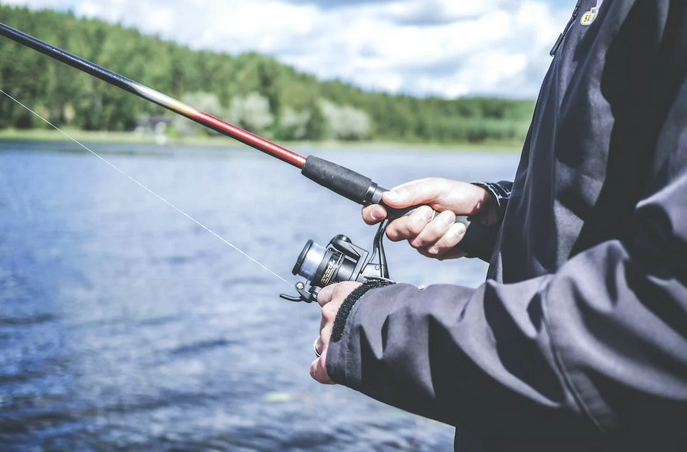
Fishing is a major source of food, livelihood, and recreation for millions of people around the world. However, the number of fish caught has been significantly reduced over the years due to irresponsible fishing practices that are damaging marine ecosystems and depleting fisheries. In order to ensure the sustainable use of resources and prevent further damage to our oceans, it is important for fishers to practice responsible fishing. In this article, we will discuss some of the best practices for sustainable and responsible fishing.
1. Use Selective Fishing Gear

Selective fishing gear is designed to reduce the impact of fishing on non-target species and their habitats, preserve fish populations and ecosystems, and increase the quality and value of the catch. Examples include circle hooks, trap selectors, sorting grids, escape panels in trawl nets, pingers to keep dolphins away, and ropeless fishing.
2. Reduce Bycatch
Bycatch is the unintentional catching of species other than those targeted by fishers. In order to reduce bycatch and its associated impacts on marine ecosystems, it is important for fishers to use appropriate fishing gear and techniques, as well as better monitoring systems in their fishing vessels. The use of turtle excluder devices, for example, can help to reduce the number of turtles caught in trawl nets.
3. Monitor and Report Fisheries Activity
 Monitoring and reporting the catch, bycatch, and discards of the fishery is important for assessing its sustainability. Accurate records of fishing activity should be kept to ensure that fisheries management measures effectively prevent …
